The Curious Case November 2026 - Beaujolais & Friends

An exploration of the grown-up side of Beaujolais and other stylish, fresh, juicy reds that share its easy charm
November is Beaujolais Nouveau month, of course, and naturally we’ll be joining in with all the froth and frivolity. But it set us thinking – what about the other side of Beaujolais – the more ‘grown-up’ side, if you like? Freshness and juicy fruit are still key, but they tend to come with greater depth, more layers and more to explore. It’s this side of things we wanted to look at for this month’s Curious Case.
Now, light, fresh and juicy reds are really popular these days, with Beaujolais providing inspiration for winemakers well beyond its borders. So we’ve started with a stylish cru Beaujolais – a floral, silky example from Fleurie – and added five wines from other regions that share some of its essential character.
We’ve gone to the hills around Verona, home to Valpolicella – Italy’s answer to Beaujolais – and to the Loire Valley to see how Gamay shapes up there. We’ll explore what a Portuguese Bastardo has in common, and how a fresh Rhône red and supple Spanish Tempranillo fit the mould too.
Different grapes and regions, then, but they’re all wines with plenty in common. Beaujolais is the starting point, and it turns out to have plenty of friends.
The floral elegance and silky texture of cru Beaujolais
Fleurie, La Reine de l’Arénite La Madone
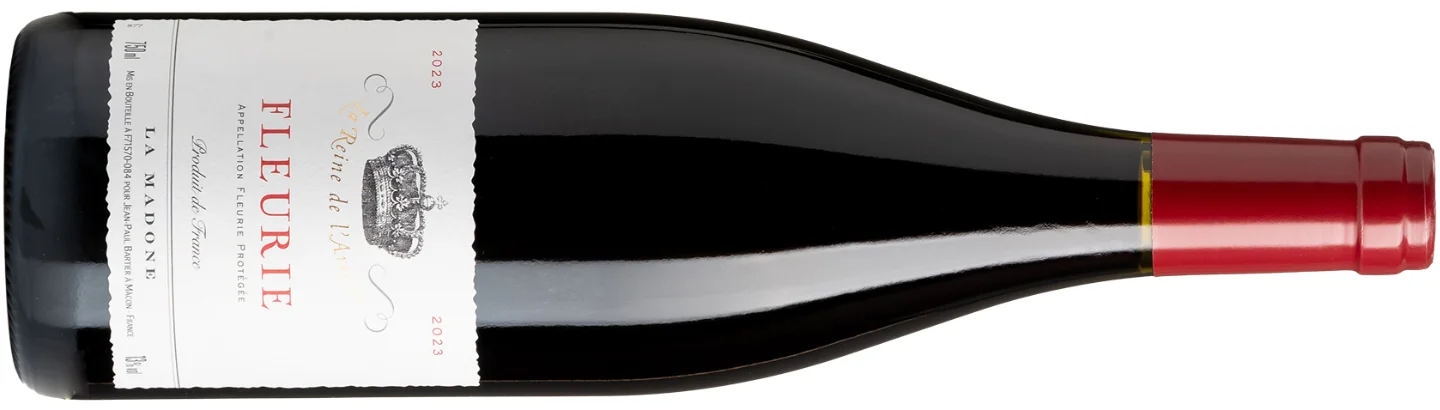
A layered Fleurie like this goes to the heart of Beaujolais’s more grown-up side – floral, silky and with more to explore than the straightforward pleasures of the gluggers.
Bright, juicy cherry fruit is the order of the day in this Veronese classic
Alpha Zeta ‘V’ Valpolicella
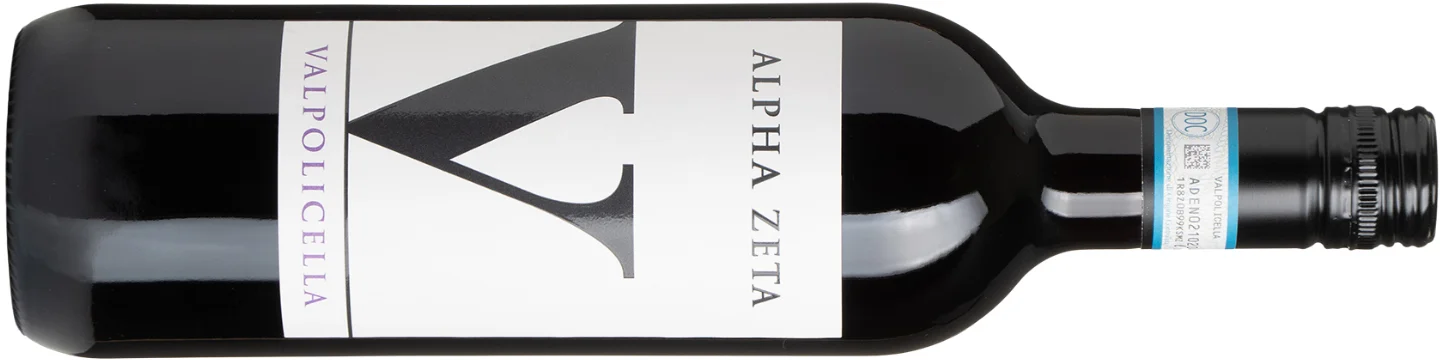
It’s the vibrancy of the red berries and cherries that makes this so expressive and attractive. Valpolicella like this isn’t an overcomplicated wine – it’s easy to get on with and a pleasure to drink.
Gamay spreads its wings into the Loire Valley
Domaine Villemaine Gamay
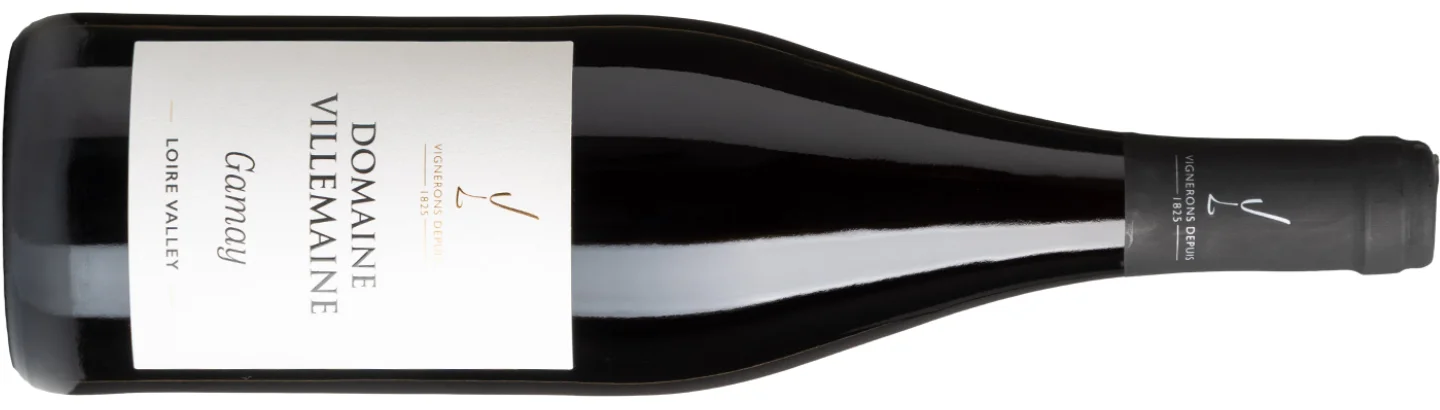
Gamay, the grape behind Beaujolais, isn’t widely grown beyond its home patch, but you’ll find some in the Loire Valley – the Garden of France. Still light and fresh, this one has a hint of soft liquorice spice to sit alongside the ripe strawberry fruit.
It’s Tempranillo, Jim, but not as we know it
Gran Cerdo Tempranillo
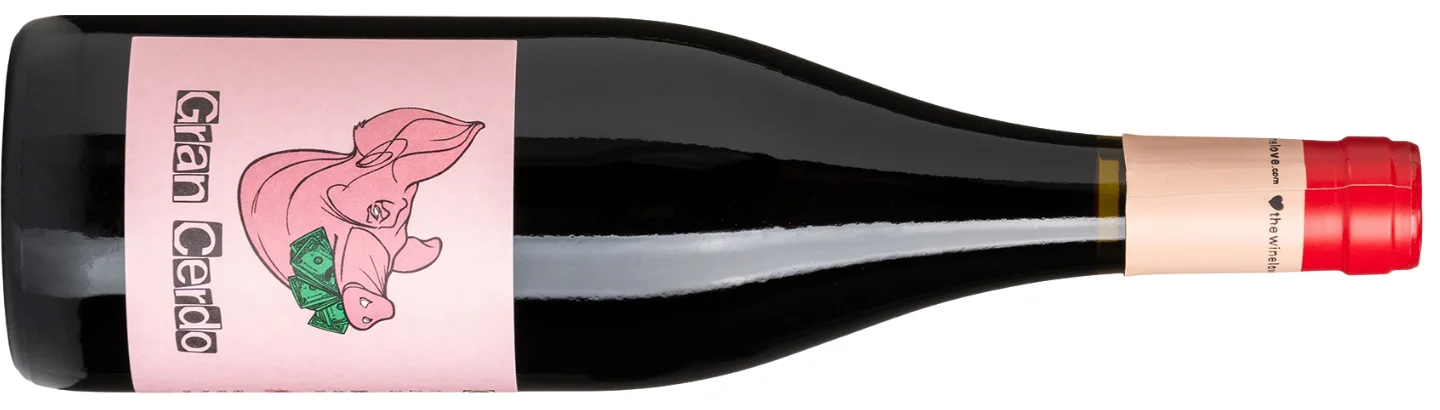
Now here’s a contrast to what you often get from Tempranillo grown in this part of Spain. Unoaked, lighter and bursting with red fruit, it’s closer in spirit to Beaujolais than to a classic oak-aged Rioja.
Portuguese reds – they’re not all big and full-bodied
Cas’Amaro Falatório Bastardo Tinto
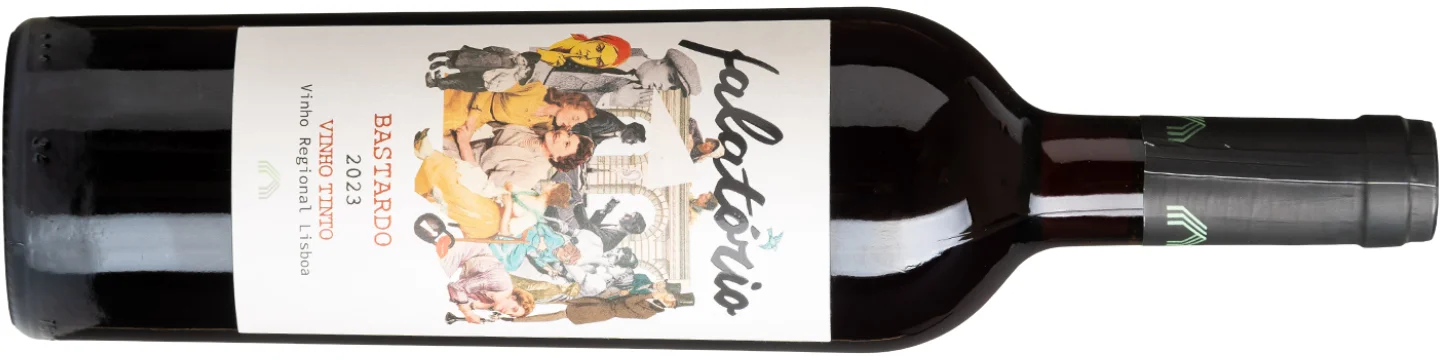
Don't be fooled by Bastardo – a grape that might sound in-your-face and tough. More often than not they're light, fresh and really rather friendly. Try this one and see – cherries and blackcurrants, bright and breezy.
Ardèche Grenache and Cinsault made to have a lighter touch
Éric Texier Chat Fou
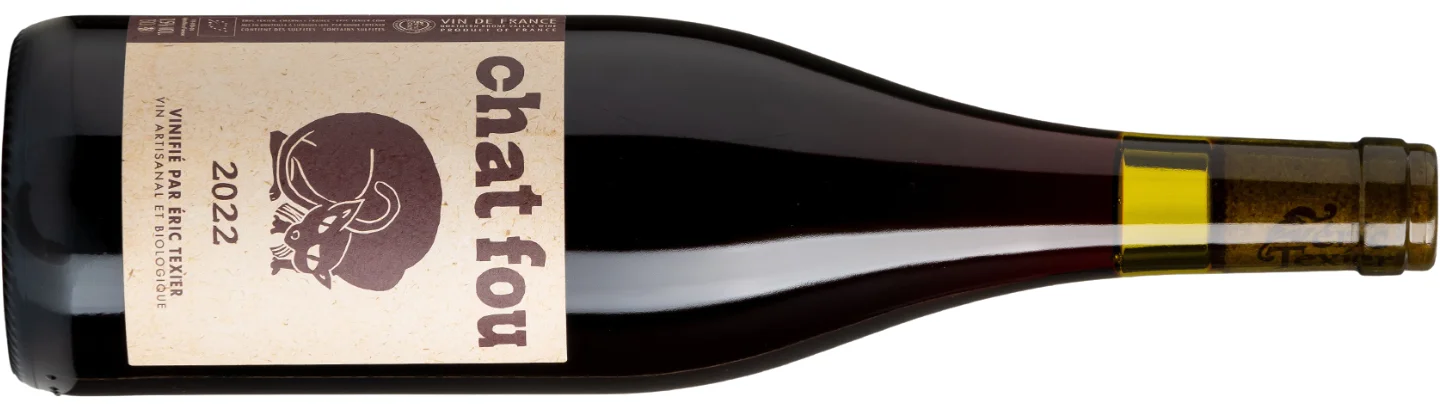
This might be made with two of the Rhône Valley’s stalwart varieties, but it’s lighter, brighter and a different beast from many a Côtes du Rhône red. It’s got the Rhône’s spicy touch, but the vibrancy and crunchy cherry fruit are what set it apart.
These days Beaujolais is in good company. If you like bright, fresh reds, there’s no shortage of variations on the theme.