The Curious Case October 2026

Wines that break the rules about how they're expected to behave or where they're expected to come from.
Some grapes and styles of wine have become so associated with particular places that it's hard to imagine them coming from anywhere else. When you think of Malbec, for example, your mind's inexorably drawn to visions of high-altitude Argentinian vineyards in the shadow of the Andes. So when you come across one from Castilla-La Mancha in Spain, it's enough to make you check the label twice. We like nothing better than unearthing good wines from unusual places, and that's the theme of this month's Curious Case – grape varieties or wine styles from places you wouldn't expect.
So, alongside the Spanish Malbec we've mentioned, there's a Carignan from Chile, a Pinot Noir from the wind-blasted vineyards of Patagonia, quite possibly the only Assyrtiko made in Lebanon, an Alvarinho from the Languedoc and, to round things off with a twist, a dry Douro Valley white made in a style that goes against normal expectations, but nonetheless works really well. Taken together they're certainly a bunch of outliers, but they're all well made wines that combine the true characteristics of grapes they're made from with a bit of influence from the terroir they've found themselves in.
Malbec from La Mancha not high altitude Argentina
Bodegas Altolandon 'Mil Historias' Malbec
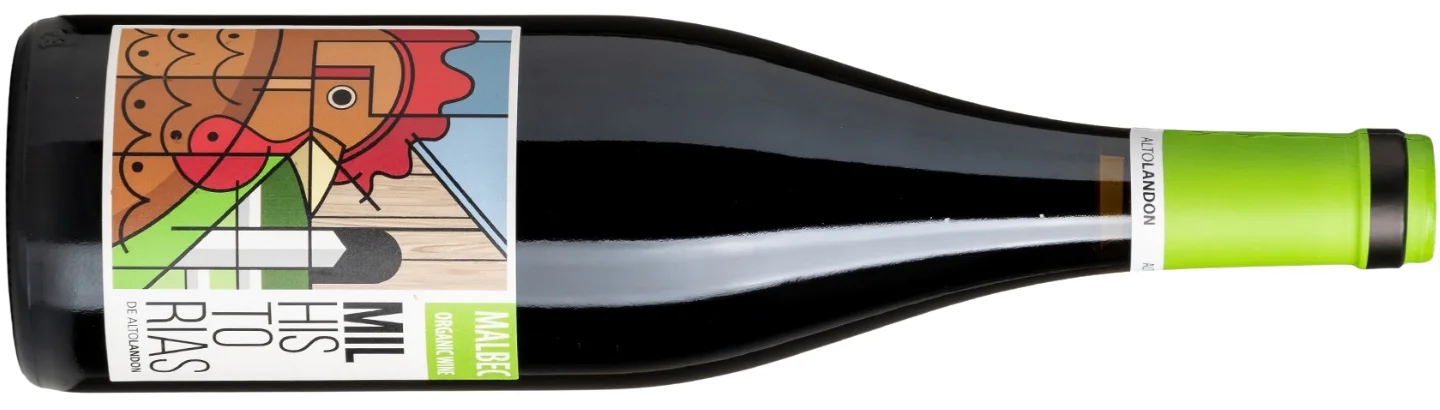
Swapping high altitude Argentinian vineyards for Spain's 'highish' La Mancha plateau, this shares the dark-fruit, violet and pepper core, but trades some of the typical fruit-forward richness for a leaner, more savoury style.
Rather than Catalonia or Roussillon — a Carignan from Chile
No es Pituko Carignan
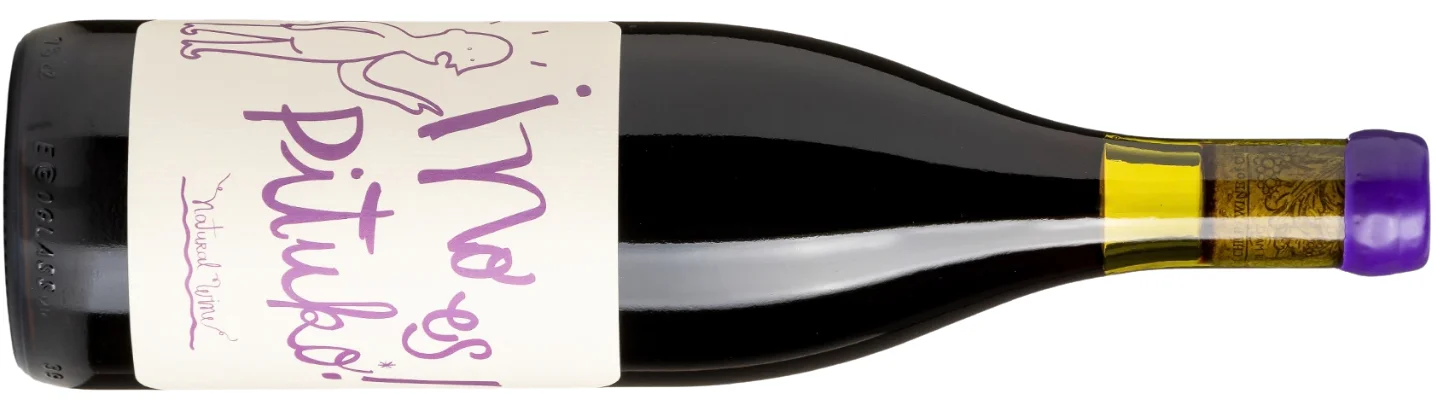
Carignan's homelands lie either side of the Pyrenees in Aragón, Catalonia and Roussillon, but it's also carved out a niche following in Chile, where there's more up-front fruit and soft spice, making it a laid-back, easy-drinking style.
Patagonia - one of Pinot Noir's lesser known destinations
Saurus Pinot Noir, Patagonia
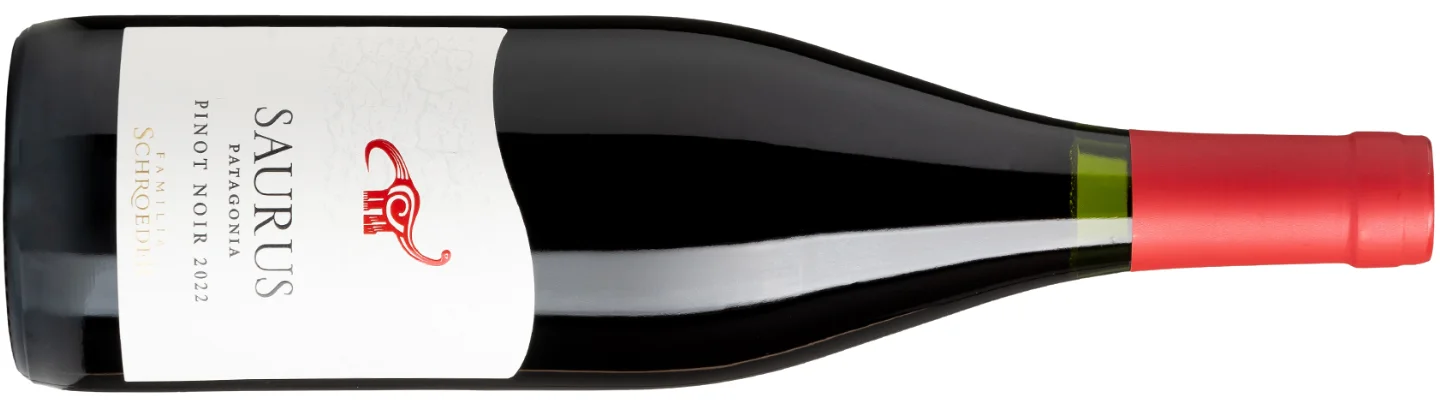
As well as its French heartlands, Pinot Noir has colonised many cool climate wine regions around the world. Far-flung Patagonia is one among them, but is only just making its mark over here. The combination of Burgundian lightness with typical New World bright fruit and minerality gives this a distinctive South American signature.
Assyrtiko's eye-catching journey from Greece to Lebanon
Chateau Oumsiyat Assyrtico 'Cuvée Membliarus'
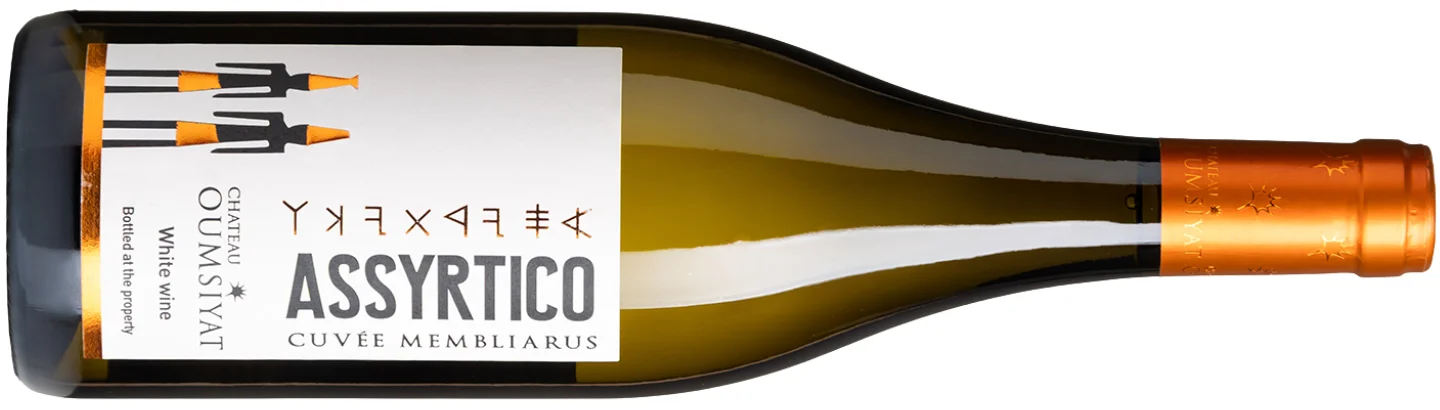
Assyrtiko is a grape synonymous with Santorini, where it has thrived in the Greek island's volcanic soils for centuries. It's rarely grown outside Greece, so seeing this famously zesty, flinty grape turn up in Lebanon certainly caught our eye. Even though the Bekaa terroir is a world away from the Aegean, that crisp, taut, mouthwatering flintiness is all still there.
A new home for Alvarinho in the Languedoc
Domaine de la Grande Courtade Alvarinho
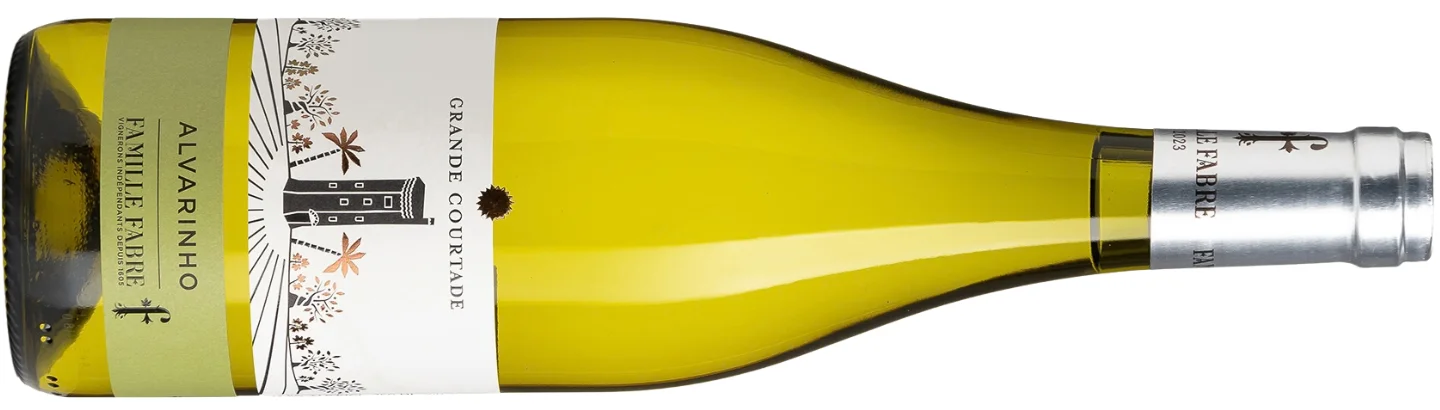
You can't grow Alvarinho just anywhere. As in its native regions of northwest Portugal and Spain, it needs cooling maritime air and the right soils to thrive. At first glance, the warm, dry Languedoc might not seem an obvious choice, but it works if you get the site right. The sea mists that travel up the Orb and Lirou valleys near Béziers provide just the right conditions to make this wine excel.
A Douro white that's floral and aromatic not structured and textured
Vallado Prima Douro Branco
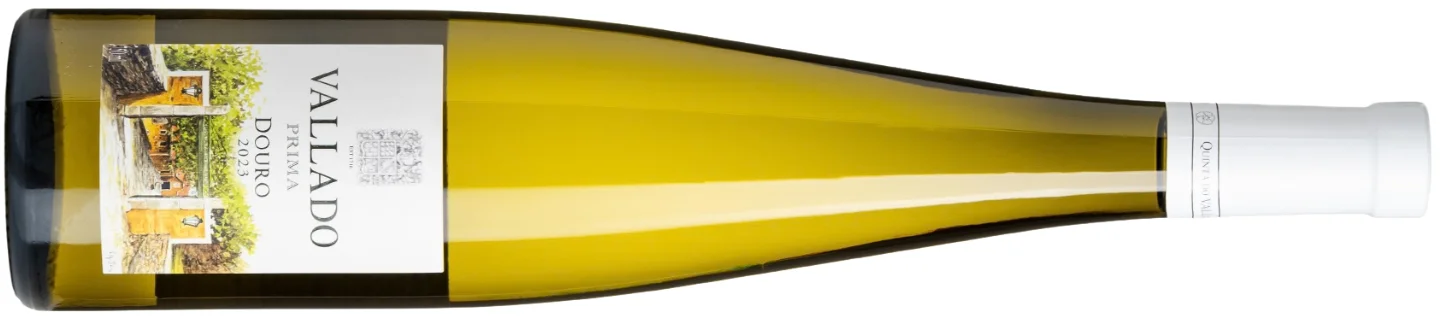
To finish, one that stands out not for where it comes from, but for the variety it's made from and the style it's made in. Douro whites are typically structured, textured blends, but this is made purely from Moscatel Galego. It's fermented dry, yet still bursts with the grapey, floral character the grape is known for — a world away from what you'd expect from a regular Douro white. If you've ever tried a dry Zibibbo from Sicily, you'll get the idea.
Sometimes it's good to go against the grain. Don't dismiss these as an eclectic bunch of misfits — we've chosen them because they work.