Piedmont: Nebbiolo & Beyond
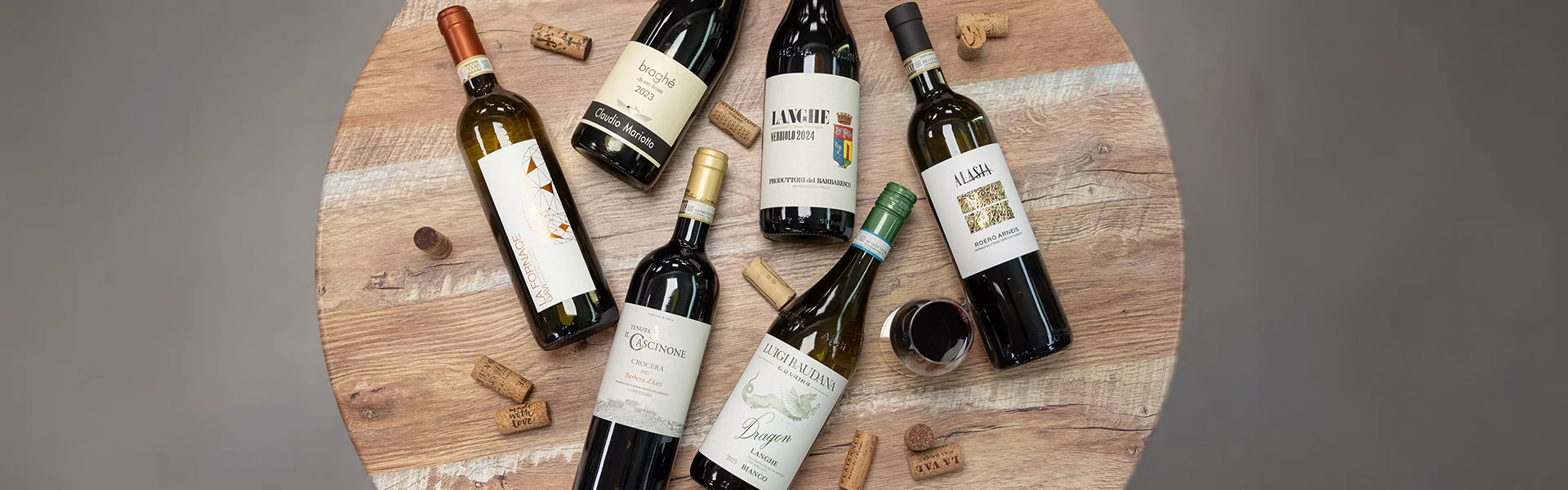
There's an awful lot more to the region than just Barolo. Here's a look at a few of the other interesting things going on.
Tucked into the foothills of the Alps in north-west Italy, Piedmont is one of Italy's most celebrated wine regions, home to more DOCG appellations than anywhere else in the country. Its reputation rests largely on Nebbiolo, the noble grape behind Barolo and Barbaresco. But unlike many well-known regions built around one or two signature grapes, Piedmont is a genuine patchwork of varieties and styles. The reds run far beyond structured and tannic, and the whites stretch from crisp and light to rich and layered.
Here we shine a light on a handful of them. Nebbiolo, Barbera and Cortese are the region's mainstays, each telling a different story. Freisa and Roero Arneis, meanwhile, are two of Piedmont's rescue missions, native grapes pulled back from near obscurity and now thriving. And there's a blend built around Chardonnay that shows it isn't only indigenous varieties that have found a home here.
If you fancy exploring Piedmont a little further, now's the time. There's 10% off these wines until the end of October.
A textbook example of Piedmont's noble grape
Produttori del Barbaresco Langhe Nebbiolo
Singles £30.90 £27.80, Mixed 6 £27.90 £25.10
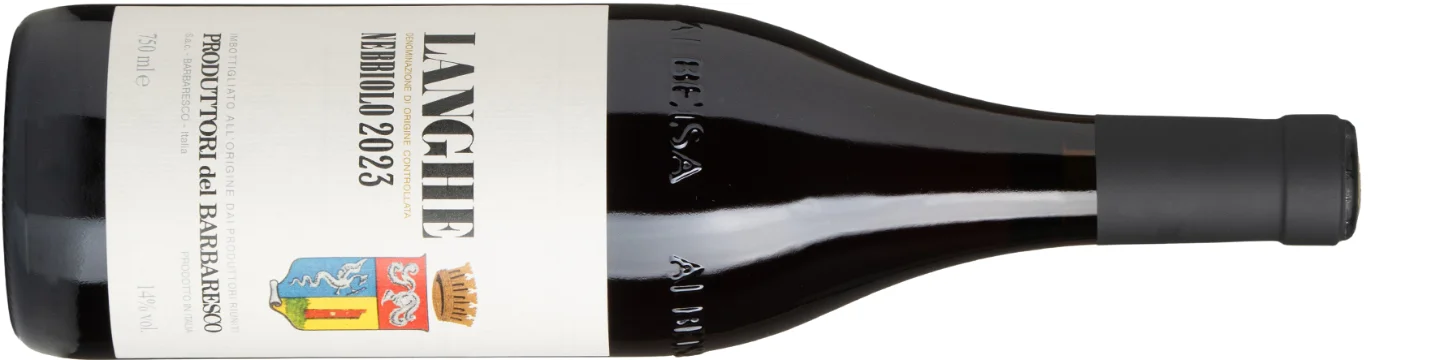
This Nebbiolo doesn't carry the famous Barolo moniker, but it's a wine in the same mould made in a similar way by Produttori del Barbaresco, generally accepted as the leading co-operative of the area. As an example of what good Nebbiolo is like without a chunky price tag this is as good as it gets.
A Barbera that shows real richness and depth
Tenuta Il Cascinone Crocera Barbera d'Asti Superiore
Singles £14.90 £13.40, Mixed 6 £13.90 £12.50
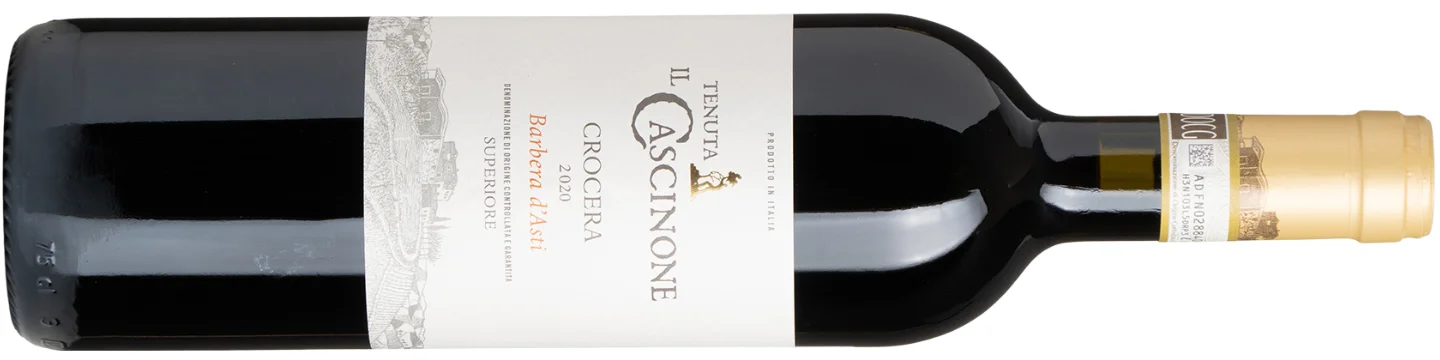
While Nebbiolo is the famous name, the majority of Piedmontese reds are based on Barbera. It's grown everywhere around the region, and more often than not it's light, juicy, fresh and crisp. Barbera d'Asti Superiore DOCG, however, demands some barrel ageing, and that brings more structure and savoury complexity, both nicely on display here.
An example of Piedmont’s flagship white with more substance than some
Gavi 'La Fornace', Cinzia Bergaglio
Singles £18.50 £16.65, Mixed 6 £16.50 £14.85
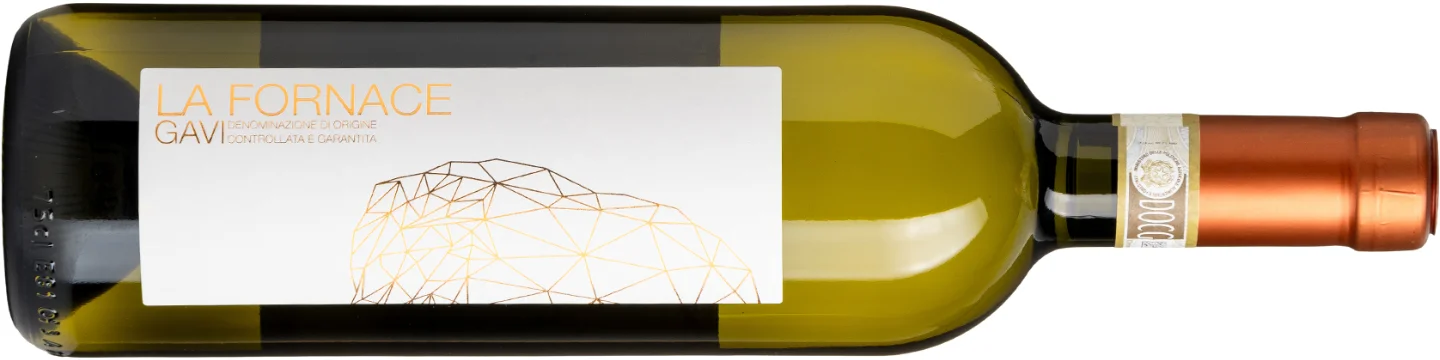
Gavi, made from Piedmont's best-known white grape, Cortese, is characteristically crisp, light, citrus-driven and refreshingly mineral. It really comes into its own with fish and seafood, or just by itself. This one has a little more weight than you often find, which is typical of examples from the well-regarded commune of Tassarolo.
Classic pear and almond character from a variety enjoying new-found popularity
Alasia Roero Arneis
Singles £14.90 £13.40, Mixed 6 £13.90 £12.50
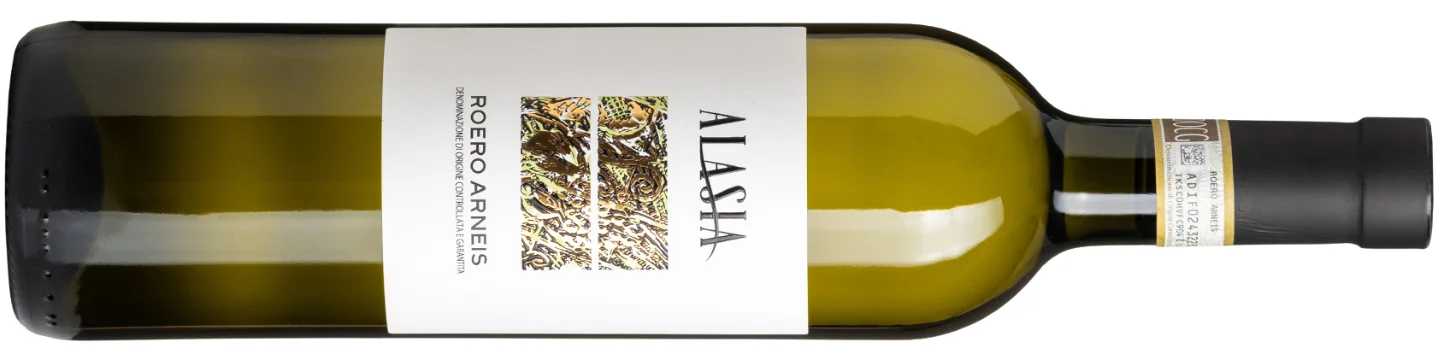
Once a blending partner used to soften tannic Barolos and Barbarescos, Arneis has, since the 1980s, found fame as a white wine in its own right. Where Gavi is crisp and fresh, Arneis is fuller and softer, and this one shows that off well, along with its own distinctive hint of aniseed.
Freisa - a grape with a fresh, light fruitiness combined with structured tannins and a crisp acidity
Claudio Mariotto Freisa Braghé, Colli Tortonesi
Singles £20.50 £18.45, Mixed 6 £18.50 £16.55
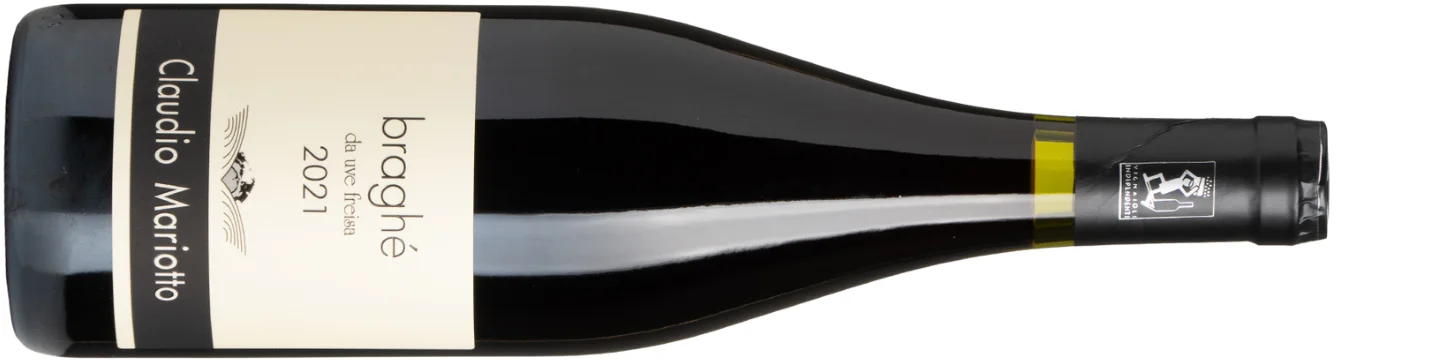
Once a common sight in Piedmont's vineyards, Freisa was often made into a frothy, sparkling red along the lines of Lambrusco. In modern times, plantings have declined as producers have shifted towards still, dry versions that better showcase the grape's structure. Claudio Mariotto's captures its qualities to a tee: crisp fruit vibrancy with a savoury spiciness.
An intriguing white blend, showing how some big-hitting varieties also work well in the region.
Luigi Baudana 'Dragon', Langhe Bianco
Singles £20.50 £18.45, Mixed 6 £18.50 £16.65
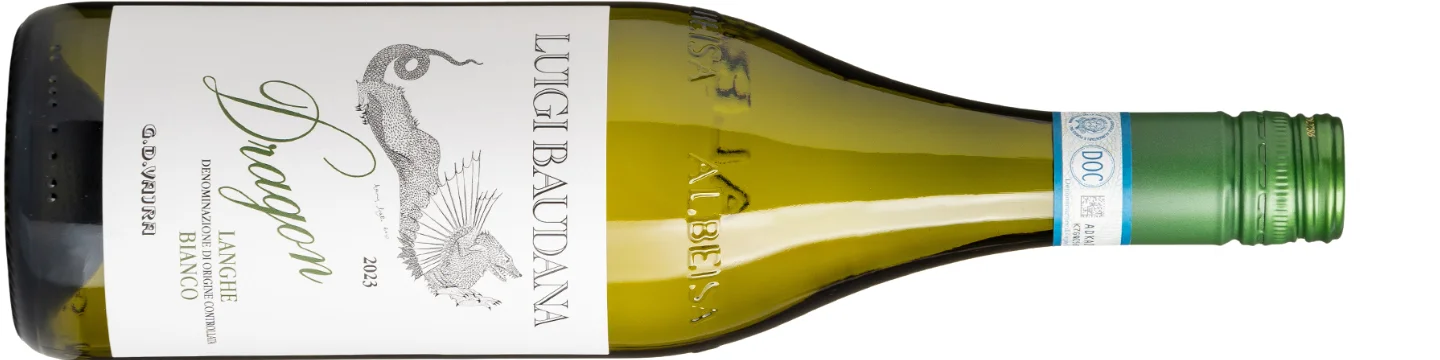
Although Piedmont's vineyards are always likely to be dominated by local varieties, there is also room for some of the well-known international grapes. And when made by a highly regarded producer like Luigi Baudana, the results are impressive. This one blends Chardonnay and Sauvignon Blanc with the local speciality Nascetta; the result has a real citrus and peach character, with a nice bit of substance."
Piedmont's certainly no 'one-trick pony' — the diversity of grapes and styles makes it a region worth getting to know a bit better.